Introduction
In the vast and intricate world of timber wholesale, success stories abound. From small family-run businesses to large corporations, various companies have carved out their niches by effectively navigating the complexities of both hardwood and softwood timber markets. This article delves into Timber Wholesale Success Stories: Learning from Industry Leaders, exploring how these industry leaders achieved their remarkable successes.
Through this exploration, readers will gain insights into effective business strategies, innovative practices, and lessons learned that can be applied in their ventures. Whether you're a seasoned professional or just starting, this comprehensive guide will provide valuable knowledge on thriving in the timber wholesale industry.
Timber Wholesale Success Stories: Learning from Industry Leaders
The Significance of Timber Wholesale in Today's Market
Timber wholesale serves as a crucial component in multiple sectors, including construction, furniture manufacturing, and environmental sustainability. Understanding its significance can provide context for the success stories that follow.
- Economic Impact: Timber wholesale contributes significantly to local economies by supporting jobs and local businesses. Sustainability Practices: Many companies focus on sustainable sourcing of hardwood and softwood timber, promoting eco-friendly practices. Diverse Applications: From flooring to framing materials, the versatility of timber ensures its continual demand across various industries.
Overview of Industry Leaders
Before diving into specific success stories, it’s essential to identify some leaders in the timber wholesale sector. These companies have set benchmarks through innovation and excellent customer service.
Company A: A leader in hardwood timber distribution known for quality and sustainability. Company B: Specializes in softwood timber with a reputation for reliability in delivery. Company C: Focuses on eco-friendly practices while providing diverse timber products.Success Story 1: Company A's Sustainable Practices
How Company A Became a Leader in Hardwood Timber
Company A has built its reputation on high-quality hardwood timber sourced sustainably. Their commitment to environmentally friendly practices not only appeals to eco-conscious consumers but also sets them apart from competitors.
Key Strategies Employed
- Supplier Relationships: Establishing strong relationships with certified sustainable sources ensured consistent quality. Transparency: Offering clear information about sourcing processes builds trust with customers. Innovation in Products: Developing new lines such as reclaimed wood products has expanded their market reach.
Lessons Learned
- Sustainability is not just a trend; it’s a necessity that resonates with modern consumers. Building strong relationships within the supply chain can lead to better practices and products.
Challenges Faced by Company A
Despite its success, Company A faced challenges such as fluctuating market prices and regulatory compliance issues related to sustainable forestry. However, they turned these challenges into opportunities for growth.
Success Story 2: Company B's Customer-Centric Approach
The Rise of Company B Through Exceptional Service
Company B has distinguished itself in the softwood timber sector by prioritizing customer satisfaction above all else. Their journey embodies how exceptional service can lead to sustained growth.
Customer Engagement Strategies
- Feedback Loops: Regularly soliciting feedback helps improve services and products based on actual customer needs. Personalized Services: Tailoring solutions for clients made them the go-to supplier for various businesses. Loyalty Programs: Implementing rewards for repeat customers enhanced retention rates significantly.
Lessons Learned
- Listening to customers is vital; their input can drive significant improvements. Personalization goes a long way in establishing lasting relationships with clients.
Overcoming Obstacles at Company B
Even with their customer-centric approach, Company B encountered issues like inventory management during peak seasons. They implemented advanced logistics software to streamline operations effectively.
Success Story 3: Company C’s Innovation in Eco-Friendly Timber Products
Pioneering Change Through Eco-Friendliness at Company C
Company C stands out due to its commitment to producing eco-friendly timber products. Their story emphasizes innovation as a cornerstone of success in today’s market landscape.
Innovative Product Lines
- Recycled Timber Solutions: Introducing products made from recycled materials garnered attention from environmentally conscious consumers. Educational Initiatives: Hosting workshops about sustainable building practices positioned them as thought leaders in the industry.
Lessons Learned
- Innovation must align with consumer values; focusing on sustainability attracts more customers today than ever before.
Challenges Encountered by Company C
Navigating regulatory hurdles regarding eco-friendly certifications proved internationaltimber.com Timber Importers challenging but ultimately resulted in establishing robust compliance protocols that improved overall efficiency.
Comparative Analysis of Successful Companies
| Aspect | Company A | Company B | Company C | |----------------------|-------------------------------|------------------------------|-------------------------------| | Market Focus | Hardwood Timber | Softwood Timber | Eco-Friendly Products | | Customer Strategy | Transparency & Education | Feedback & Personalization | Workshop Initiatives | | Key Challenges | Market Fluctuations | Inventory Management | Regulatory Compliance |
Insights Gained from Comparative Analysis
Analyzing these companies reveals patterns that contribute significantly to success:
Adaptation to market demands is essential for growth. Customer engagement should always be prioritized. Innovations aligned with sustainability are increasingly vital for attracting modern consumers.Frequently Asked Questions (FAQs)
1. What is Timber Wholesale?
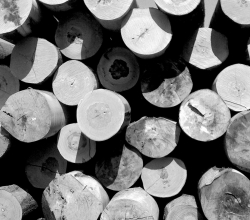
Timber wholesale refers to the bulk sale of wood products—both hardwood and softwood—to retailers or manufacturers who further process or sell these materials downstream.
2. Why is Sustainable Sourcing Important?
Sustainable sourcing ensures that timber is harvested responsibly without depleting natural resources or harming ecosystems, appealing to environmentally conscious consumers while maintaining biodiversity.
3. How Can I Start My Own Timber Wholesale Business?
Starting a timber wholesale business involves researching local markets, establishing relationships with suppliers, obtaining necessary permits, and developing effective marketing strategies aligned with your target audience's needs.

4. What Are Common Challenges Faced by Timber Wholesalers?
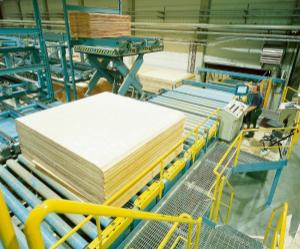
Common challenges include fluctuating market prices for raw materials, managing inventory levels effectively during peak demand periods, meeting regulatory compliance requirements concerning sustainability practices, and competition from other suppliers.
5. How Do I Choose Between Hardwood and Softwood?
Choosing between hardwood and softwood depends on your project's requirements—hardwoods are generally denser and more durable (ideal for furniture), whereas softwoods are often lighter and easier to work with (common in construction).
6. What Role Does Technology Play in Timber Wholesale Operations?
Technology enhances operational efficiency—using software for inventory management streamlines processes while digital marketing tools facilitate reaching potential clients more effectively than traditional methods alone.
Conclusion
The tales of success within the realm of timber wholesale showcase how industry leaders navigate challenges through strategic innovations and customer engagement techniques tailored toward evolving market demands. By analyzing these stories—like those of Companies A, B, and C—emerging businesses can glean valuable insights applicable across various sectors within this landscape.
These experiences underscore an essential truth within the industry—the pursuit of excellence requires continual adaptation along pathways marked by resilience towards overcoming obstacles while committing wholeheartedly toward sustainable practices that resonate well beyond mere economic gains—a lesson worth taking note of by aspiring entrepreneurs everywhere!
In conclusion, whether you're involved in hardwood or softwood timber sales or contemplating entering this vibrant field altogether—the insights derived from exploring successful stories offer guiding principles invaluable not just today but well into tomorrow's competitive marketplace too!